Stamford, Connecticut: Typewriters, Shavers, and a Rail Junction
Stamford, Connecticut
Part of The Merritt Parkway
Pictures from Stamford
See all 3 photos →
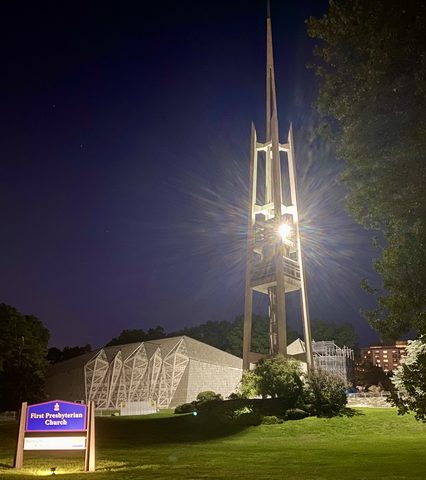
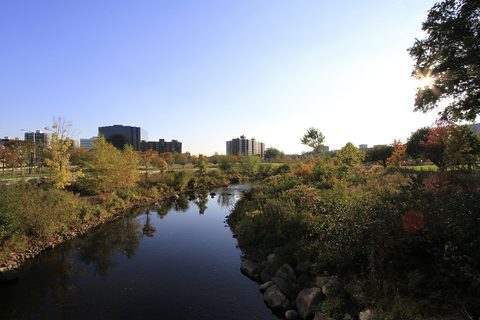
Stamford was settled in 1641 by families from Wethersfield, and its 18th-century prosperity came from a harbor that shipped goods to New York and the West Indies. The town incorporated as a borough in 1830 and became a city in 1893. Along the way, Stamford turned into a hub of American invention: George C. Blickensderfer patented his typewriter there on April 12, 1892, and Jacob Schick patented his electric shaving implement on July 23, 1929; Phillips' Milk of Magnesia was also produced in the city. The 1699 Hoyt Barnum House, preserved by the Stamford History Center, survives as a visitable relic of that colonial period. Today Stamford is Connecticut's second-largest city, a corporate-headquarters hub and New York City suburb whose residents have included Jackie Robinson and football star Andy Robustelli.
-
80-plus acres of art galleries, a working farm, nature trails, and a new planetarium.
-
sight
An Atlantic Street theatre staging live theatre, opera, dance, and concerts.
-
Free, year-round gardens and collections in North Stamford, dawn to dusk.
-
walk
A downtown greenway with a carousel, ice-skating center, and fountain.
-
sight
The city's research library, photo archives, and steward of the 1699 Hoyt Barnum House.
-
food
The 1935 original of the hot-oil thin-crust pizza chain.
-
A Stamford restaurant whose current details this guide has not been able to confirm.
-
Italian tapas, house-made pasta, and pizzas including the Vodka Pizza.
-
food
A Stamford brewery running Third Place, a coffeehouse and coworking space with a tasting room.
-
stay
An independent hotel on East Main Street, with a heated indoor pool and a 24/7 fitness center.
Typewriters, shavers, and a second-largest city
Stamford was settled in 1641 by families from Wethersfield. By the 1700s it was a successful commercial center, its prosperity built on a harbor that shipped and received goods with New York and the West Indies; the town incorporated as a borough in 1830 and became a city in 1893. Stamford also became a hub of American invention: George C. Blickensderfer patented his typewriter on April 12, 1892, and Jacob Schick patented his electric shaving implement on July 23, 1929, while Phillips' Milk of Magnesia was produced in the city as well. The 1699 Hoyt Barnum House, preserved by the Stamford History Center, survives as a visitable relic of that colonial period. Per the 2020 census, Stamford surpassed both Hartford and New Haven to become Connecticut's second-largest city, behind only Bridgeport — a corporate hub and New York suburb whose residents have included Jackie Robinson and football star Andy Robustelli.
Getting there
Most visitors arrive at the Stamford Transportation Center, one of the busiest rail hubs in the Northeast: Metro-North's New Haven Line runs trains as often as every 3-7 minutes at peak, with connecting New Canaan Branch and Danbury Branch service. Amtrak stops with the Acela, Northeast Regional, and Vermonter, and Shore Line East service to Stamford resumed October 7, 2024. Drivers come in on the I-95 corridor, which passes directly over the transportation center.
Museums, parks, and a downtown stage
The Stamford Museum & Nature Center spans 80-plus acres with the Bendel Mansion's art galleries, the working Heckscher Farm, nature trails, and a new Planetarium & Astronomy Center. The Palace Theatre on Atlantic Street stages live theatre, opera, dance, and concerts. Bartlett Arboretum & Gardens in North Stamford is free and open year-round, dawn to dusk, and downtown's Mill River Park offers a carousel, an ice-skating center, and a fountain. The Stamford History Center preserves the city's story, including stewardship of the Hoyt Barnum House.
Frequently asked questions
- How do I get to Stamford?
- The Stamford Transportation Center is a major Metro-North New Haven Line hub, with peak trains every 3-7 minutes and connecting New Canaan and Danbury Branch service; Amtrak Acela, Northeast Regional, and Vermonter also stop, along with Shore Line East (service resumed October 7, 2024). I-95 passes directly over the station.
- What did Stamford invent?
- George C. Blickensderfer patented his typewriter in Stamford on April 12, 1892, and Jacob Schick patented his electric shaving implement there on July 23, 1929; Phillips' Milk of Magnesia was also produced in the city.
- What is the Hoyt Barnum House?
- A house built in 1699, preserved by the Stamford History Center as a visitable relic of Stamford's colonial period.
- Where can I stay in Stamford?
- The Stamford Hotel on East Main Street is an independent property, not a chain brand, with a heated indoor pool, a 24/7 fitness center, and pet-friendly rooms.
- Is Stamford really Connecticut's second-largest city?
- Yes — per the 2020 census, Stamford surpassed Hartford and New Haven and now ranks second only to Bridgeport.
Foliage
Still green this week · estimated peak Nov 4–10
Derived from the Connecticut DEEP fall foliage map. DEEP's map is a climatological estimate last published in 2023; it describes a normal year, not this one. Stage names are ours. See the statewide forecast.
We can't find the internet
Attempting to reconnect
Something went wrong!
Hang in there while we get back on track
What travelers think
Connected pages
Nearby
- Greenwich, Connecticut: Twenty-Five Coats and a Harbor Point · Greenwich, Connecticut
- Norwalk, Connecticut: Oyster Town and a Second Empire Mansion · Norwalk, Connecticut
-
Darien, Connecticut: Two Stations and a Park Service Founder
· Darien, Connecticut
Darien borders Stamford; Metro-North's New Haven Line runs directly between the two.
-
New Canaan, Connecticut: A Glass House and the Harvard Five
· New Canaan, Connecticut
New Canaan's parish was carved from northeastern Stamford land in 1731, and the New Canaan Branch still meets the New Haven Line at Stamford.
Shared history
-
Greenwich, Connecticut: Twenty-Five Coats and a Harbor Point
· Greenwich, Connecticut
In 1779, Gen. Israel Putnam rode down Put's Hill in Greenwich to rally support in Stamford during the British invasion of the town.
See also
-
Midtown, Manhattan: Terminal City and the Tallest Tower
· Midtown, New York
The Stamford Transportation Center is a major Metro-North New Haven Line hub with direct service to Grand Central Terminal.